
7 Joinery Jobs Worth Checking Before Winter Arrives
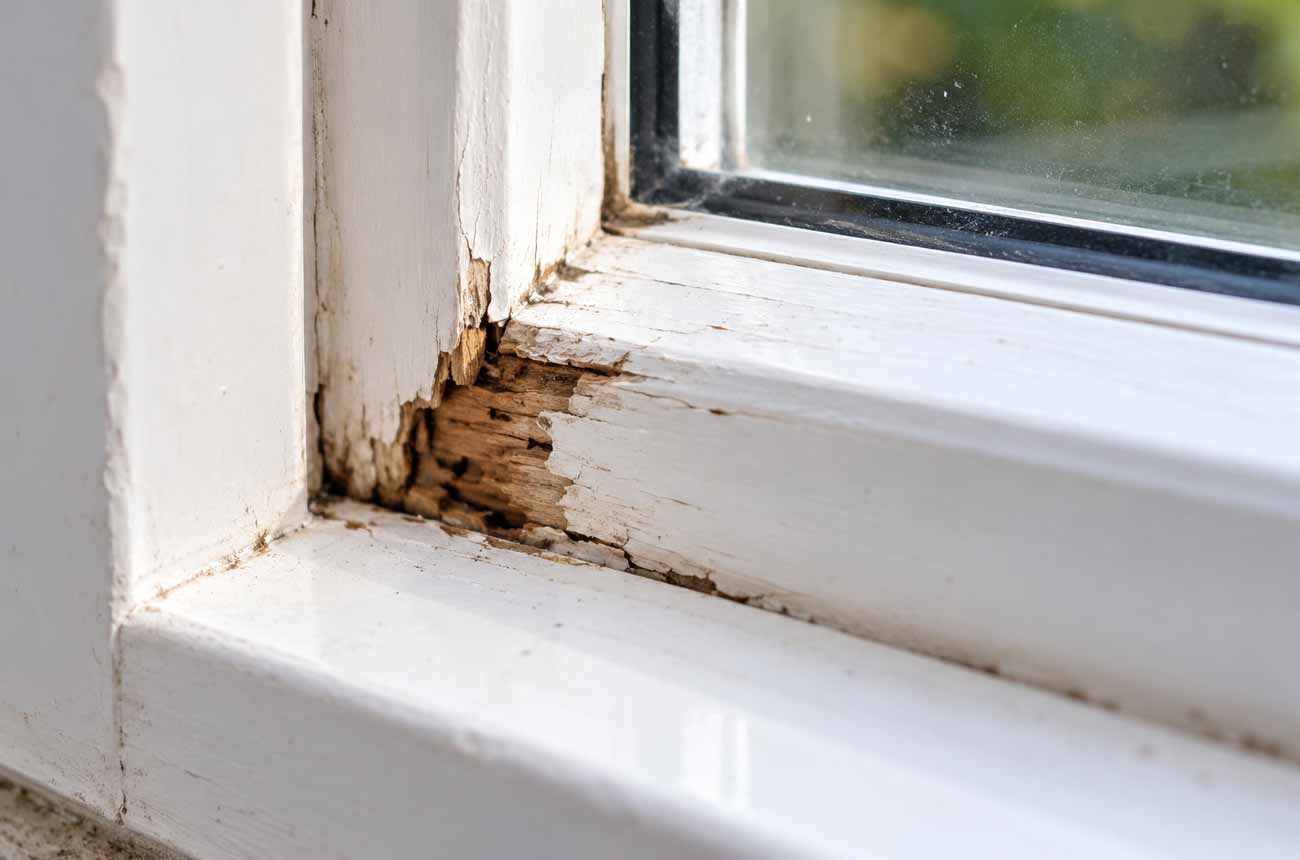
A door that only sticks slightly in summer can become much more noticeable once damp weather sets in. Small areas of damaged timber can worsen when exposed to repeated rain. Draughts that barely register in September suddenly become impossible to ignore once temperatures drop.
That is why early autumn is a good time to take a closer look at the joinery around your home.
Not every issue needs major work, and not everything needs to be replaced. In many cases, identifying a problem early gives you more options and can help prevent a relatively minor repair from turning into something much bigger.
At Remo Volpe Joinery & Building Services, we work with homeowners across the Scottish Borders, Edinburgh, Lanarkshire, and surrounding areas on a wide range of joinery, repair, and home improvement projects.
Here are seven areas we recommend checking before winter properly arrives.
Doors naturally experience a lot of wear.
They are exposed to changes in temperature, moisture, repeated use, and, in the case of external doors, everything the Scottish weather can throw at them.
Before winter, check whether your doors:
Sometimes an adjustment or repair is enough to improve the way a door performs.
In other situations, particularly where timber has deteriorated significantly, more substantial repair or replacement may be the better long-term option.
The important thing is not to assume that a small problem will stay small.
Traditional timber windows can add enormous character to a home, particularly in older properties.
They also need looking after.
Peeling finishes, damaged sections of timber, sticking windows, or areas that remain damp for long periods are all worth investigating.
A damaged section does not necessarily mean an entire window needs replaced. Depending on its condition, repairs may be possible, helping retain the appearance and character of the original window.
Catching deterioration early generally gives you more options than waiting until water damage has spread further.
Rot does not improve by itself.
If timber remains exposed to moisture for long enough, damaged areas can gradually become softer and less structurally sound.
Things to look out for include:
The cause matters just as much as the damaged timber itself.
Simply covering over deterioration without dealing with the moisture problem underneath is unlikely to provide a lasting solution.
A proper repair should consider why the damage happened in the first place.
Entrance areas work particularly hard during autumn and winter.
Wet shoes, mud, rainwater, and repeated foot traffic all put additional pressure on doors, thresholds, flooring edges, and surrounding timberwork.
If an entrance feels draughty, uneven, or difficult to keep weather-tight, it is worth investigating before conditions worsen.
Small improvements around a doorway can make the space feel more secure, better finished, and more comfortable through colder months.
Exterior timber spends months exposed to rain, frost, wind, and changing temperatures.
Where finishes have begun to break down, water can find its way into the timber beneath.
Autumn is a sensible time to look over visible exterior joinery and timber details for cracking, deterioration, loose sections, or areas where protective finishes have failed.
Dealing with vulnerable timber before a full winter of wet weather can help prevent further deterioration and make repairs more manageable.

Winter maintenance is not only about the exterior of your home.
Cold, darker months are when you tend to notice the smaller frustrations inside as well.
Doors that do not shut properly, damaged skirting, worn thresholds, awkward storage, or unfinished areas can all affect how a home feels day to day.
These might not be emergency jobs, but addressing them can make the house feel more comfortable, practical, and properly finished before you spend more time indoors over winter.
Sometimes several smaller joinery jobs can also be tackled together, making the process more straightforward.
One of the most important decisions with older joinery is whether something needs repaired or replaced.
Replacement is not automatically the answer.
Where the majority of an item is still sound, a skilled repair may be able to extend its life while retaining the original character of the property.
On the other hand, if deterioration is extensive or an item is no longer performing properly, replacement may provide better value in the long run.
Every situation is different.
The best approach is to assess the condition of the existing timber, identify the cause of the problem, and then choose the solution that makes sense for the property rather than automatically opting for the biggest job.
Small problems are easier to deal with early
Winter has a way of exposing problems that were easy to overlook during warmer months.
Draughts become more obvious. Moisture hangs around for longer. Damaged timber is subjected to repeated wet and cold conditions.
That does not mean homeowners need to panic at every sticking door or peeling section of paint.
It simply means September and early autumn are a useful opportunity to look around the property and deal with anything that is beginning to deteriorate.
Good maintenance is often less about major renovations and more about noticing the little things before they become major ones.

At Remo Volpe Joinery & Building Services, we carry out joinery, repairs, and home improvement work for homeowners across the Scottish Borders, Edinburgh, Lanarkshire, and surrounding areas.
Whether you have a specific repair in mind or several smaller jobs that need attention, get in touch to discuss what is needed and how we can help. Contact Us.
Call: 07772 329705
Email: remo@remojoinery.co.uk
ELPHINSTONE CRESCENT, BIGGAR ML12 6GU
MOBILE: 07405 474560
LANDLINE: 01899 221605
EMAIL: REMO@REMOJOINERY.CO.UK


